Continuous Motion

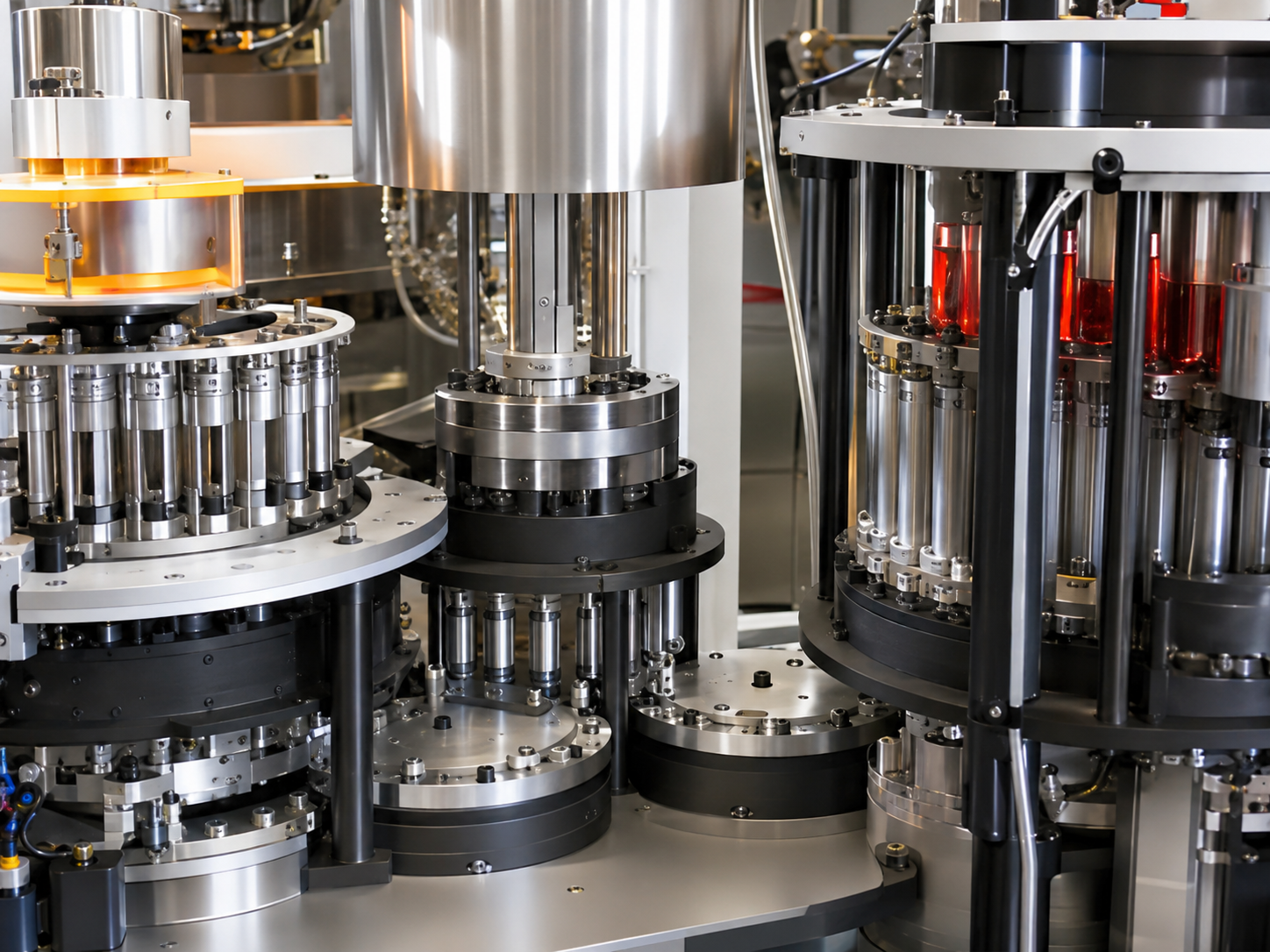
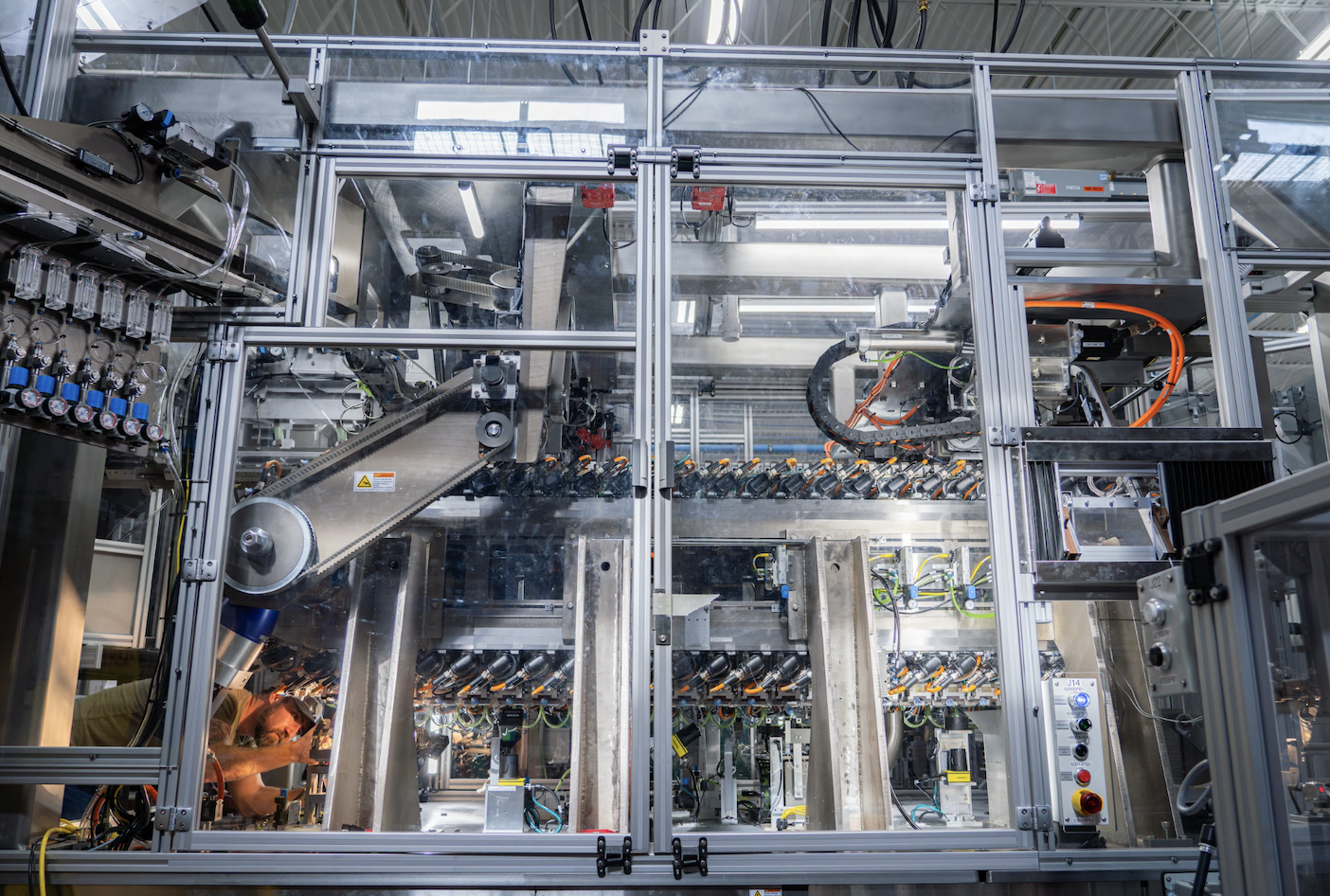
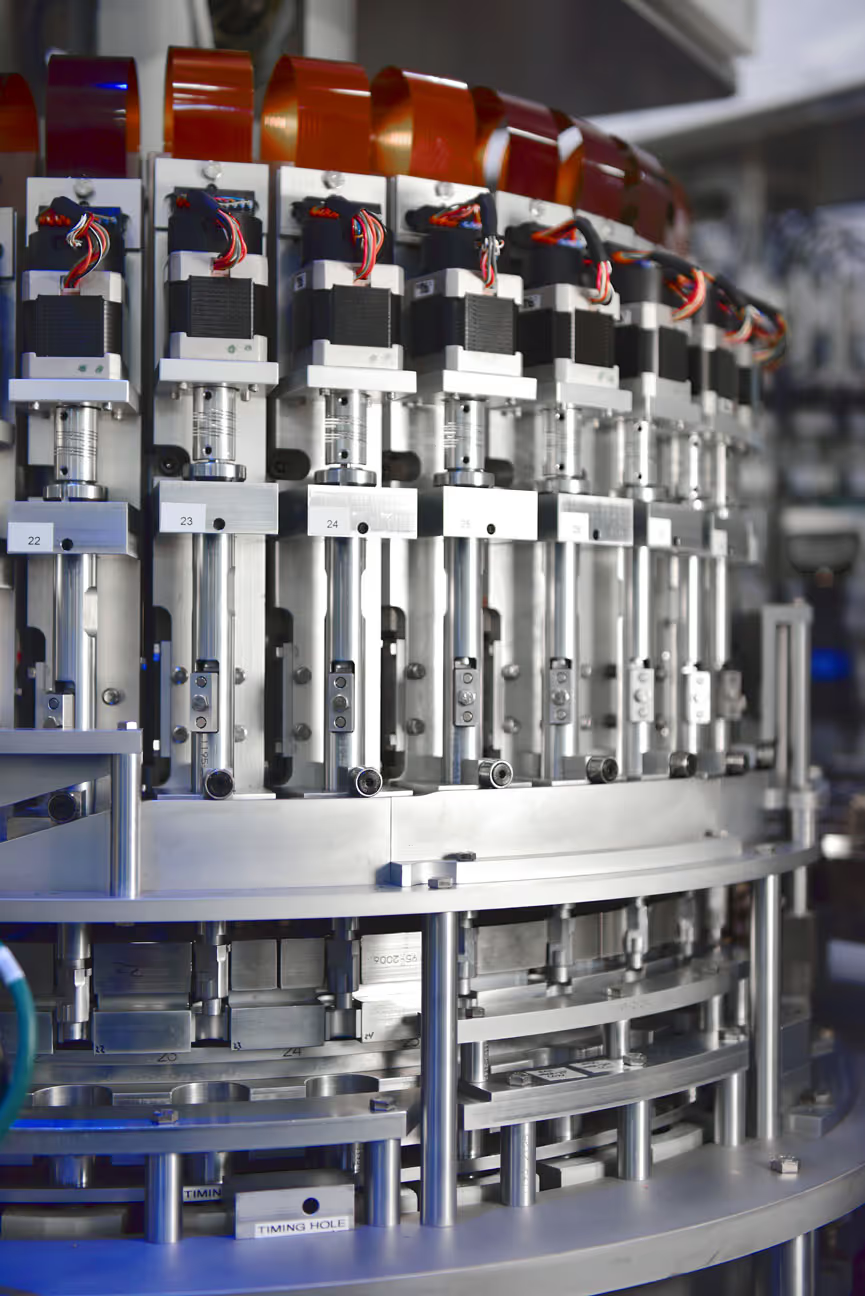
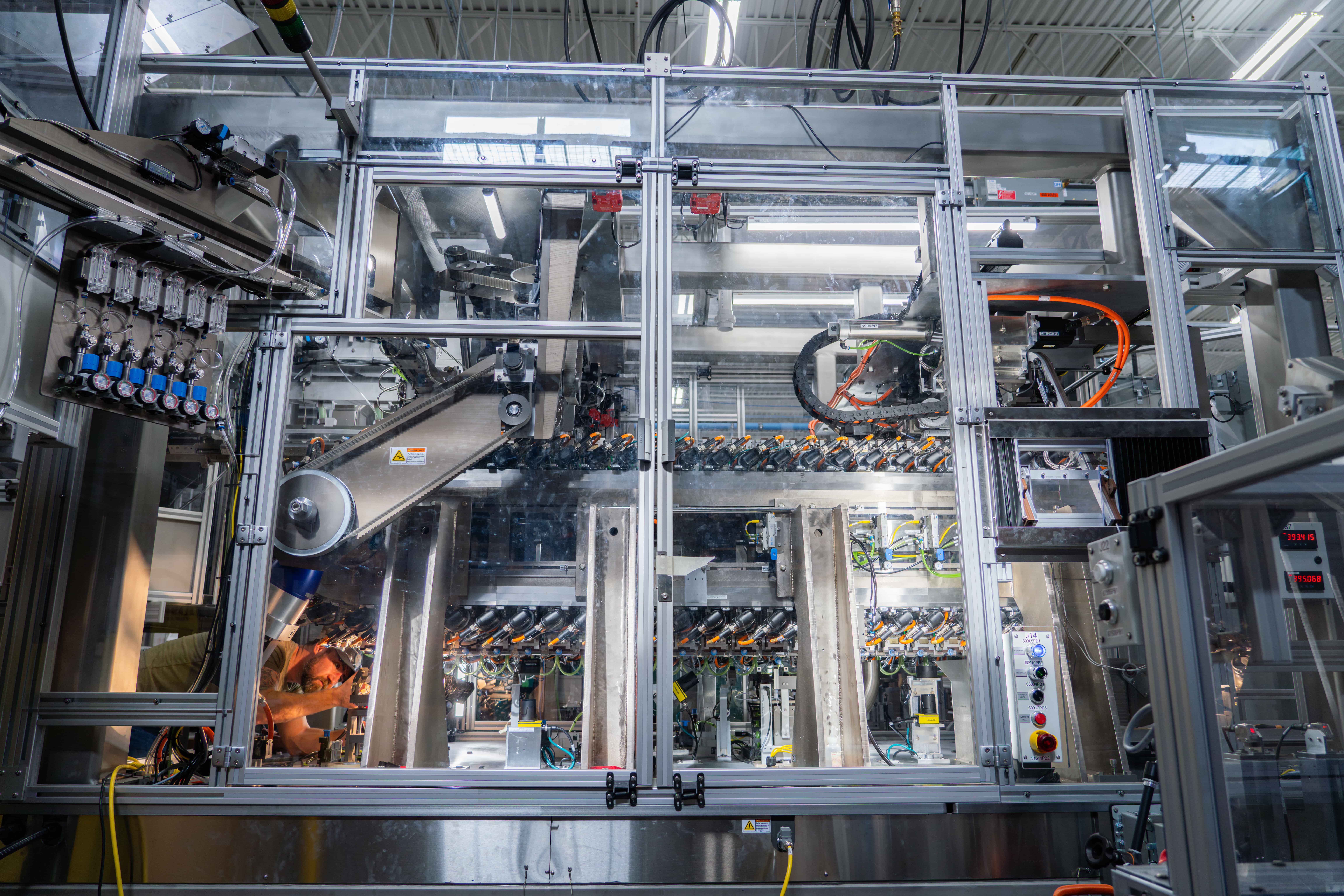
When production demands speed, accuracy, and consistent part control, continuous motion assembly keeps the process moving. Unlike traditional indexing systems that pause between operations, continuous motion allows multiple steps to occur within each cycle. Components stay in controlled motion through the system, helping manufacturers increase throughput, maintain alignment, and reduce unnecessary handling.
how it works
What Continuous Motion Does

Continuous motion assembly is designed for high-volume applications where speed alone is not enough.

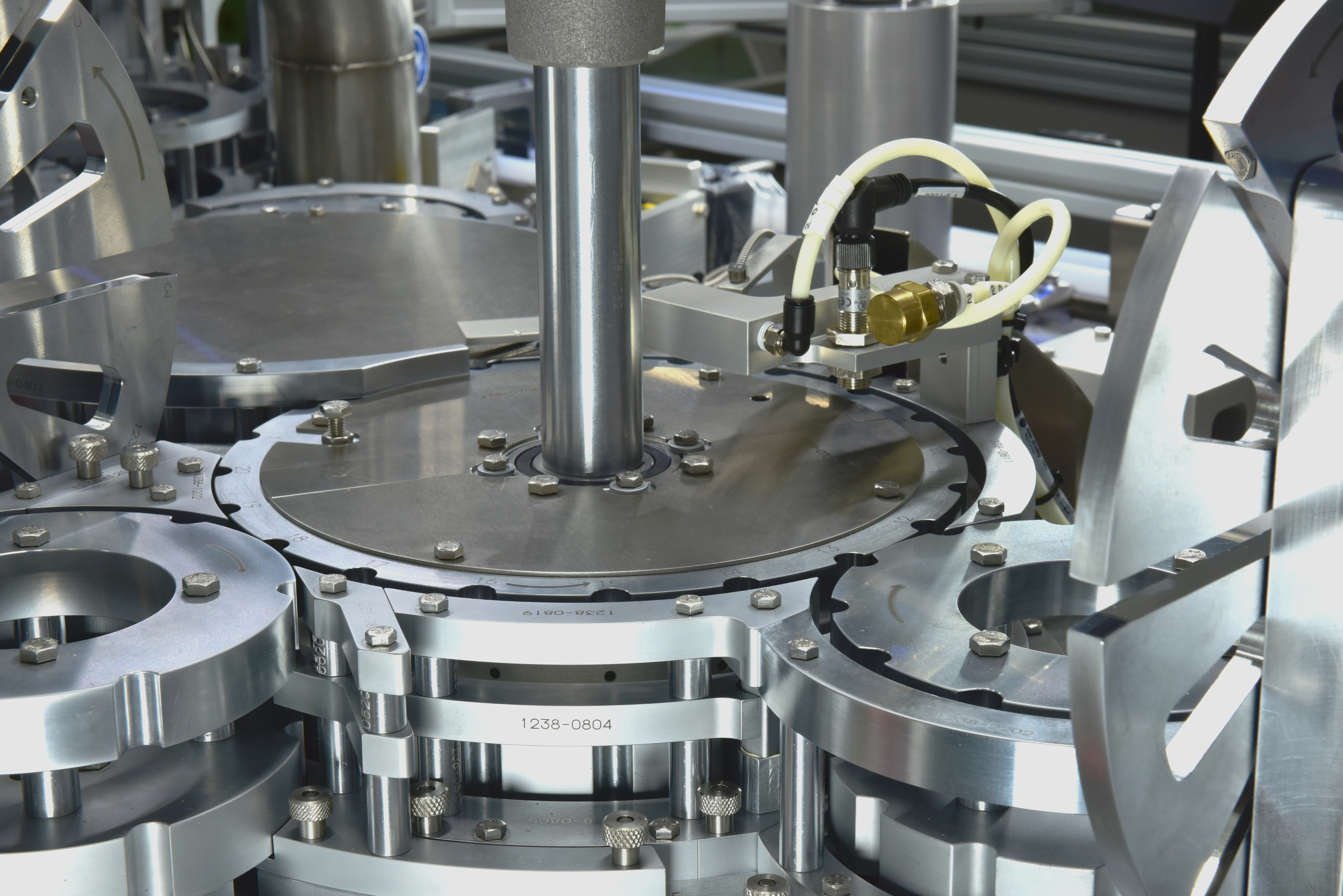
The technology keeps components moving through assembly, testing, inspection, or other production steps without repeated pauses between stations. Because tooling maintains contact with the part, alignment can be preserved even at high speeds.

This makes continuous motion a strong fit for applications that require:

  • Higher sustained throughput
  • Consistent part alignment
  • Gentle handling for delicate or difficult parts
  • Multi-step assembly on one platform
  • Testing or inspection without slowing production
  • Reduced mechanical stress from repeated stop-start motion
solve your challenge

What Problems It Helps Solve

Continuous motion is often used when traditional indexing systems create limits in speed, available process time, or part control.

For example, an indexing system only has a fixed amount of dwell time to complete each operation before the next part moves into position. With continuous motion, the process keeps moving, giving the machine more flexibility to complete longer or more complex steps.

That can help manufacturers address challenges like:

  • Limited cycle time
  • Alignment issues at higher speeds
  • Delicate or irregular part handling
  • More demanding inspection requirements
  • Leak testing or quality checks at speed
  • Wear caused by repeated stopping and starting
  • Production delays tied to mechanical downtime
why it matters

Key Benefits

Higher Throughput

Continuous motion systems are built to support high-speed production while keeping the process controlled. Depending on the application, continuous motion technology can support outputs as high as 1,000 components per minute, with higher numbers possible based on product complexity and system design.

Better Part Control

Because components remain under controlled motion, continuous motion can help maintain alignment throughout the assembly process. This is especially important for small, delicate, or difficult-to-handle parts.

More Time for Testing and Inspection

Continuous motion can give inspection and testing operations more process time without reducing output. This is valuable for leak testing, missing component detection, assembly height verification, vision inspection, and other quality checks.

Reduced Mechanical Stress

By reducing repeated stop-start movement, continuous motion can help lower wear on equipment and support smoother long-term operation.

in practice

Example Applications

Rapid-Response Machine Shop

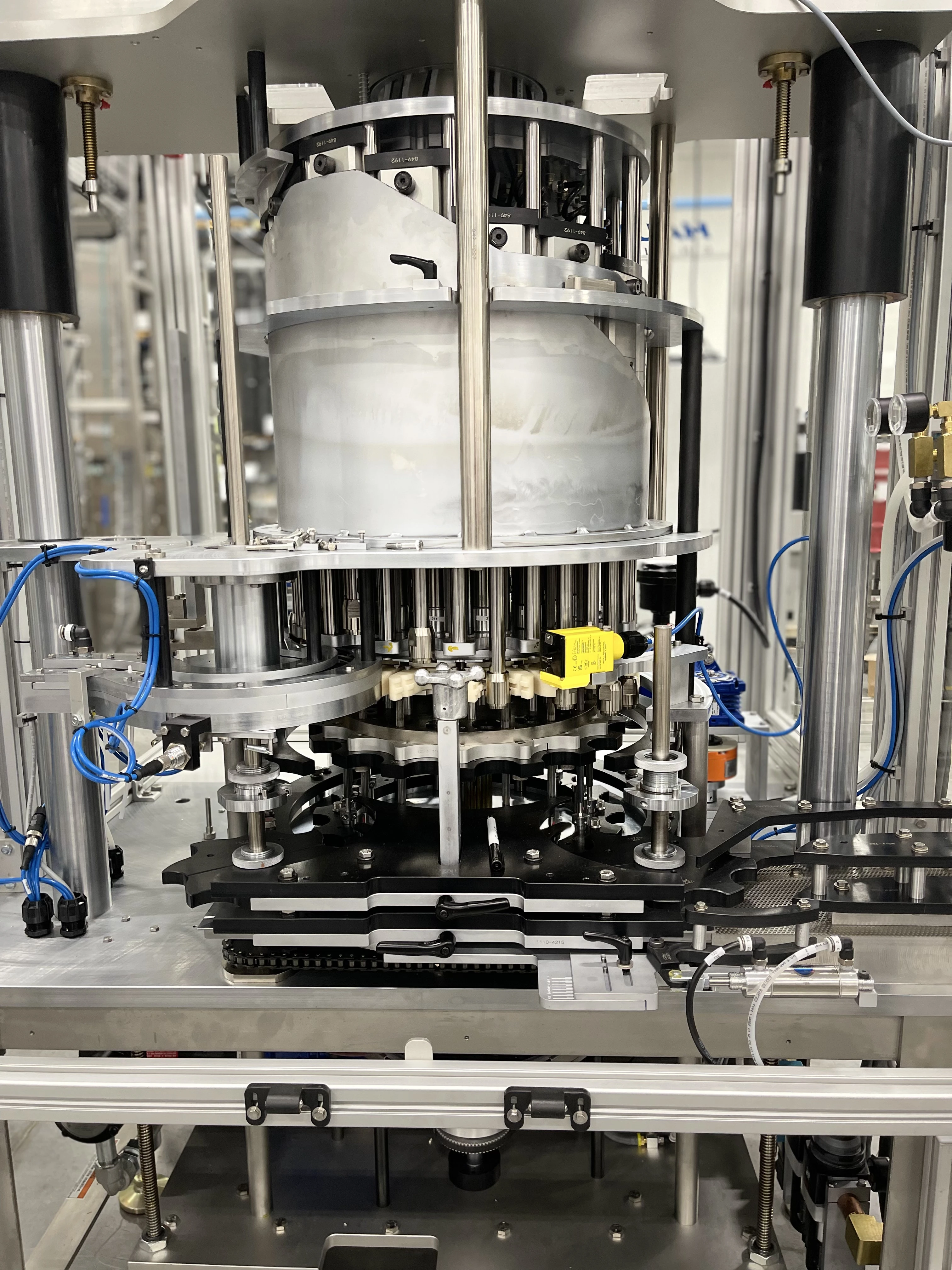
Haumiller designed a 5-dial continuous motion platform for a food and beverage closure application. The system assembles a valve and retaining ring to a closure using bulk vibratory feeding for each component.

Industry: Food & Beverage
Product: 3-Piece Closure
Platform: 5-Dial Continuous Motion
Throughput: 440 parts per minute
Why Continuous Motion: Maximizes speed without sacrificing part control

Cap Inspection & Leak Test

Haumiller applied continuous motion technology to a consumer goods screw cap inspection and leak test system. The machine uses inline vision inspection and pressure decay leak testing to detect defects with precision at high speeds.

Industry: Consumer Goods
Product: Screw Cap
Platform: Continuous Motion Dial
Throughput: 840 parts per minute
Why Continuous Motion: Maintains high-speed throughput while supporting precise inspection and testing

Medical Device Packaging & Assembly

Haumiller uses continuous motion technology to support delicate medical device packaging and assembly applications where precision, inspection, and part control are critical. These systems can accommodate complex shapes, redundant inspection, leak testing, missing component detection, and changeover verification.

Industry: Life Sciences
Product: Medical Device Packaging & Assembly Components
Platform: Continuous Motion Assembly
Throughput: Application-specific
Why Continuous Motion: Supports delicate part handling, inspection, and uptime in regulated production environments

how we work

Haumiller's Approach to Continuous Motion

Haumiller does not recommend continuous motion just because it is fast.

Each system is engineered around the product, part geometry, material behavior, throughput goals, inspection requirements, and production environment. The goal is to determine whether continuous motion is the right fit, then design the system to support reliable performance from assembly through testing and inspection.

For complex, high-volume applications, Haumiller brings together custom machine design, feeding, tooling, controls, inspection, and in-house qualification to help manufacturers reduce start-up risk and move toward production-ready output with confidence.

Related Technologies

Talk with Haumiller about your product, process, and performance requirements.