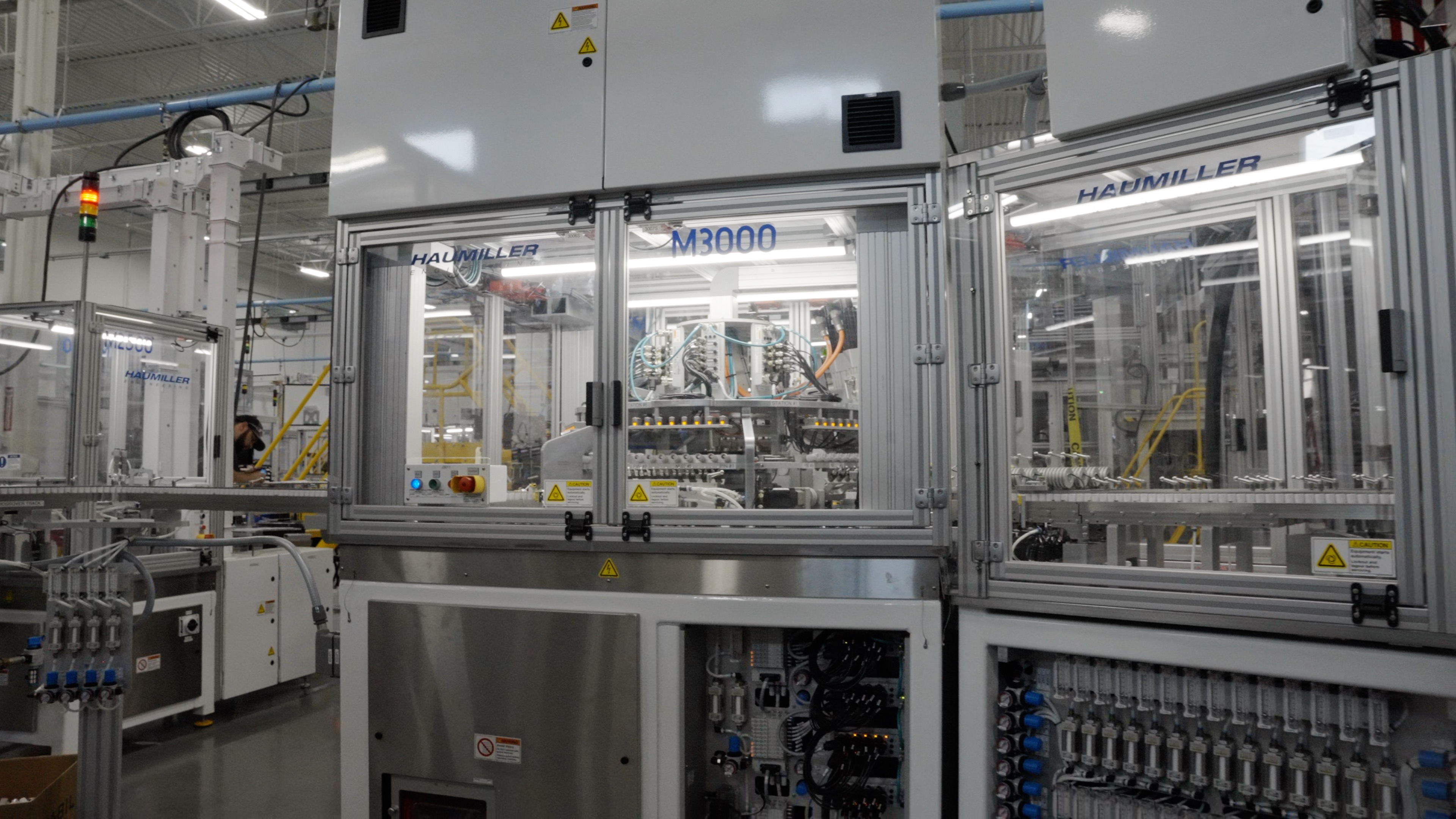
Intermittent & Multi-Lane Indexing

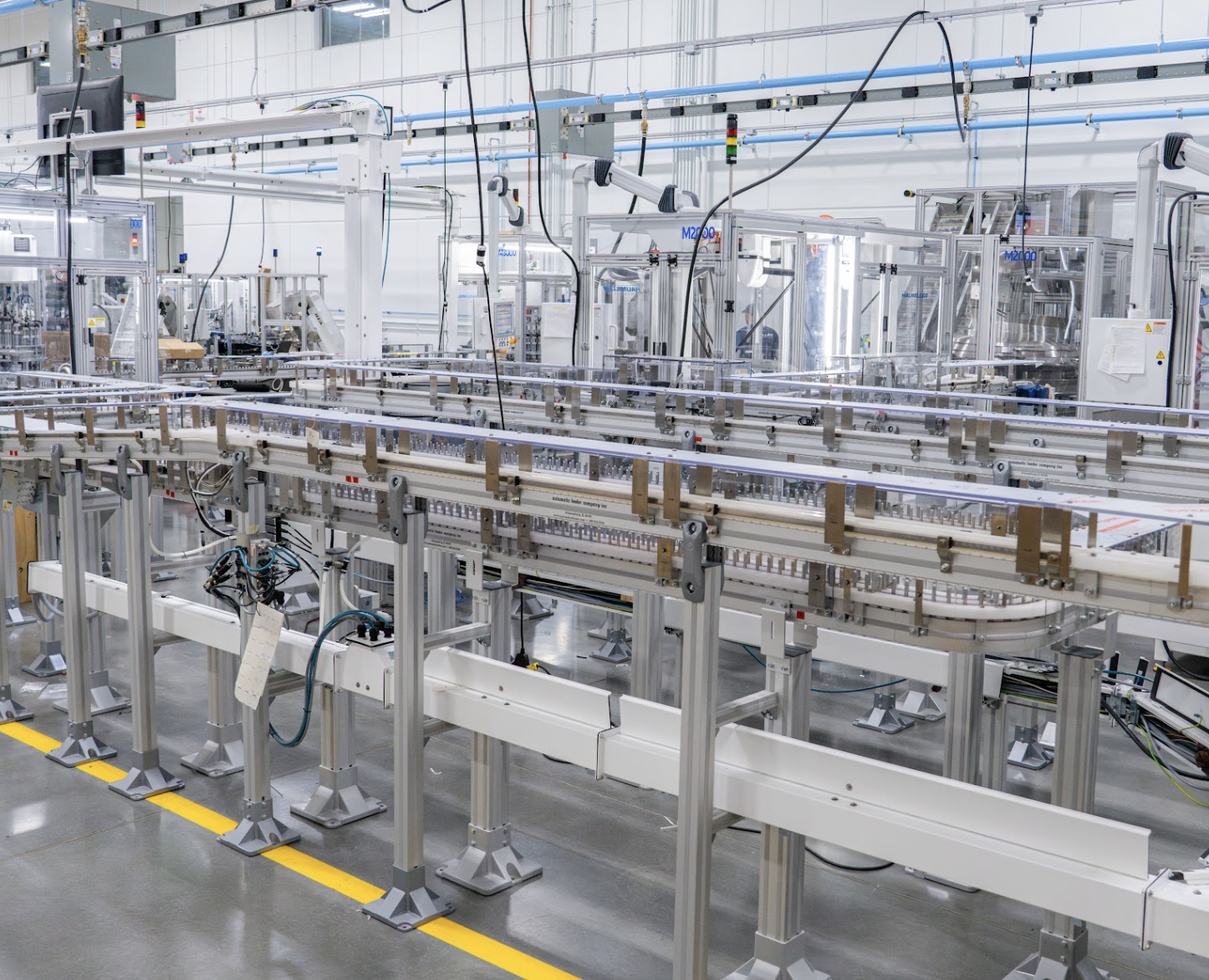
When precision, dwell time, flexibility, or complex part handling matter more than maximum speed, intermittent and multi-lane indexing can be the better automation approach. Indexing systems move parts through defined stations with controlled stops, giving each operation the time and stability needed for accurate assembly, material application, inspection, and secondary processes.
how it works
What Intermittent & Multi-Lane Indexing Does

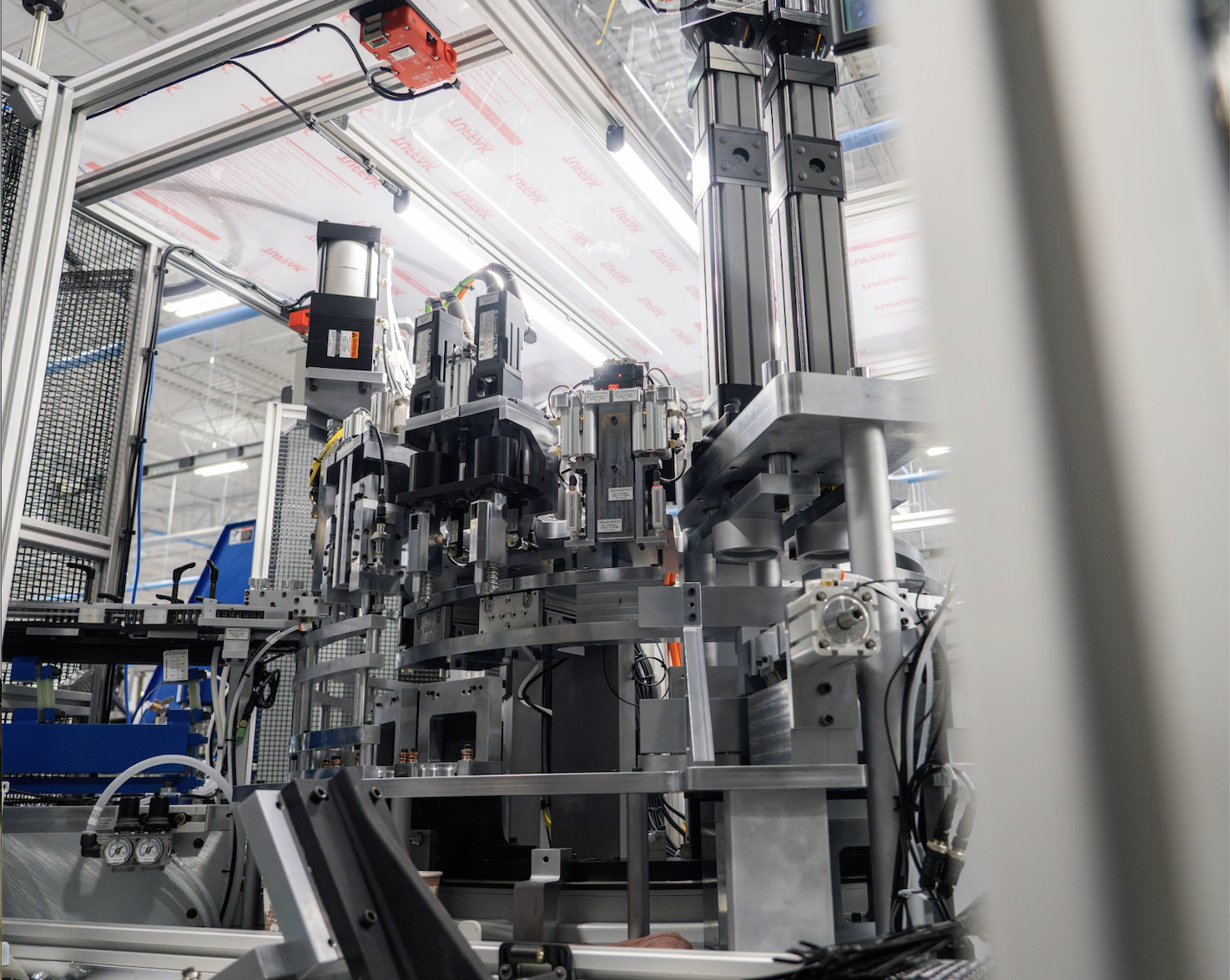
Intermittent indexing moves parts through an automated assembly system in controlled intervals. Instead of keeping components in constant motion, the machine advances parts to each station, pauses, completes the required operation, and then indexes to the next step.

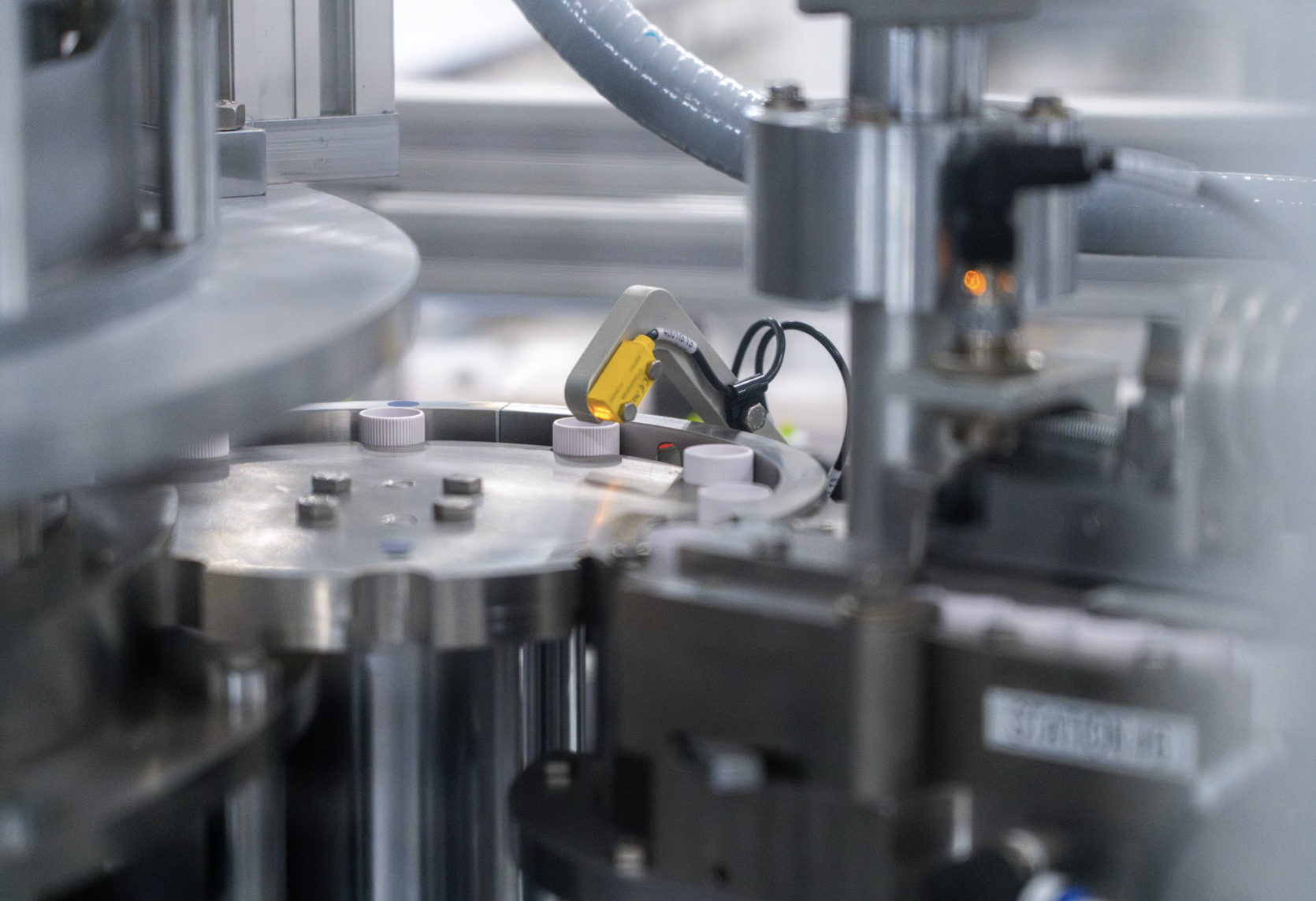
This controlled dwell time allows machine functions to be performed with accuracy and stability, especially when an application involves difficult parts, delicate materials, or process steps that require more time.

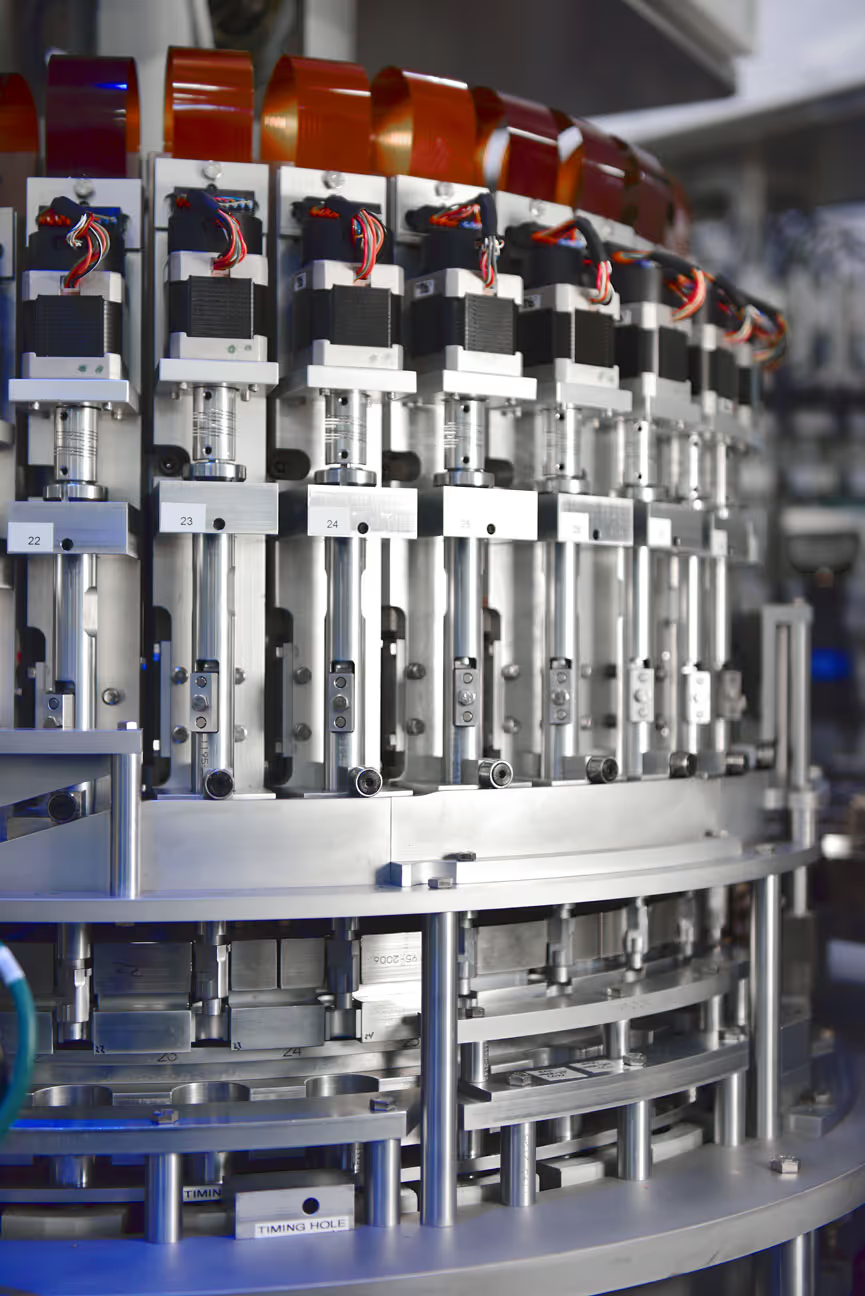
Multi-lane indexing adds another layer of output potential by running multiple parts simultaneously within the same indexed cycle. This helps manufacturers increase production capacity while maintaining the control and repeatability of an intermittent motion platform.

This makes intermittent and multi-lane indexing a strong fit for applications that require:

  • Controlled dwell time for assembly or inspection
  • Better handling of difficult-to-control parts
  • Accurate material application
  • Integration of secondary process equipment
  • Flexibility to run multiple part variations
  • Additional operations within the process
  • Higher output without sacrificing process control
solve your challenge

What Problems It Helps Solve

Intermittent and multi-lane indexing is often used when continuous motion creates too much complexity or is not the best fit for the product, process, or production goals.

Some applications need a controlled stop to complete an operation accurately. Others involve parts or materials that are difficult to manage while continuously moving. In those cases, indexing can provide the stability and flexibility needed to build a more reliable automation process.

That can help manufacturers address challenges like:

  • Difficult-to-control parts such as bags, wires, flexible materials, or small components
  • Challenging materials such as glues, lubricants, tapes, or adhesives
  • Operations that require controlled dwell time
  • Welding, gluing, heat application, or inspection requirements
  • Multiple part variations on one system
  • Added process steps or future operation changes
  • Applications where high-speed continuous motion is not required
  • Lower initial cost needs when maximum speed is not the main priority
ideal applications

Where Intermittent & Multi-Lane Indexing Fits Best

Intermittent and multi-lane indexing is a strong option for manufacturers that need controlled movement, process flexibility, and accurate station-based operations.

Common applications include:

  • High-speed automated assembly systems
  • Consumer goods components
  • Medical device components
  • Food & beverage components
  • Health & beauty packaging components
  • Aerosol components
  • Applications involving adhesives, glues, lubricants, or tapes
  • Products requiring welding, heat application, inspection, or secondary operations
  • Flexible, irregular, or difficult-to-control parts
  • Multi-lane production where output needs to increase without losing control
why it matters

Key Benefits

Controlled Dwell Time

Indexing gives each station a defined pause to complete its operation. This is valuable for assembly, material application, inspection, welding, gluing, heat application, or other process steps that require stability and accuracy.

Better Handling of Complex Parts

Some parts are difficult to manage in constant motion. Intermittent indexing can provide better control for flexible, irregular, delicate, or small components that need more stable positioning during assembly.

Process Flexibility

Indexing systems can support multiple part variations and make it easier to add operations to the process. This is especially useful for manufacturers that need automation built around changing product requirements.

Multi-Lane Output

For applications that need higher production volume, multi-lane indexing allows multiple parts to run simultaneously within the same indexed cycle. This helps increase output while maintaining precision, repeatability, and control.

Cost-Effective Automation

When high-speed continuous motion is not required, intermittent indexing can provide a more practical initial automation approach while still supporting performance, quality, and process reliability.

in practice

Example Applications

Rapid-Response Machine Shop

Intermittent indexing can be used for applications involving parts that are difficult to control in continuous motion, such as bags, wires, flexible materials, irregular components, or small parts that require stable positioning.

Industry: Multiple Industries
Product: Application-Specific Components
Platform: Intermittent Indexing
Throughput: Application-specific
Why Intermittent Indexing: Provides controlled stops for better part handling, positioning, and process stability

Material Application & Secondary Processes

Indexing systems are well-suited for applications involving glues, lubricants, tapes, adhesives, welders, heat application, inspection systems, or other secondary process equipment.

Industry: Multiple Industries
Product: Application-Specific
Platform: Intermittent Indexing
Throughput: Application-specific
Why Intermittent Indexing: Allows controlled dwell time for accurate material application and process execution

Multi-Lane Indexed Assembly

For applications that require more output but still need controlled station-based operations, Haumiller can design multi-lane indexing systems that run multiple parts at the same time within the same indexed cycle.

Industry: High-Volume Manufacturing
Product: Application-Specific
Platform: Multi-Lane Indexing
Throughput: Application-specific
Why Multi-Lane Indexing: Increases output while maintaining precision, repeatability, and process control

how we work

Haumiller's Approach to Intermittent & Multi-Lane Indexing

Haumiller does not treat continuous motion as the automatic answer for every automation challenge.

Each system is engineered around the product, process requirements, part behavior, material needs, throughput goals, budget, and long-term production environment. In some applications, continuous motion provides the best path to speed and efficiency. In others, intermittent or multi-lane indexing offers the control, dwell time, flexibility, and cost structure the project actually needs.

Haumiller helps manufacturers evaluate the right automation platform at the start of the project, then designs the system around the application. From feeding and tooling to controls, inspection, secondary processes, and line integration, each solution is built to support reliable production performance.

Related Technologies

Talk with Haumiller about your product, process, and performance requirements.