Oops! Something went wrong while submitting the form.
By clicking "Accept", you agree to the storing of cookies on your device to enhance site navigation, analyze site usage, and assist in our marketing efforts. View our Privacy Policy for more information.
Increasing Assembly Capacity for a Life Sciences Infusion Component
Life Sciences
The customer needed to increase production capacity for a 3-piece Luer lock infusion component while reducing reliance on manual assembly in a labor-constrained manufacturing environment.
Customer Background
In life sciences manufacturing, infusion components require precise, repeatable assembly to support product quality and production consistency. As demand grows, manufacturers often need to move beyond manual assembly methods and invest in automation that can support higher output without compromising component handling or assembly accuracy.
For this customer, growth within the plant created a need for greater production capacity. Manual assembly was no longer the right long-term approach, especially as high labor costs and ongoing labor shortages increased pressure to automate more of the production process.
The Challenge
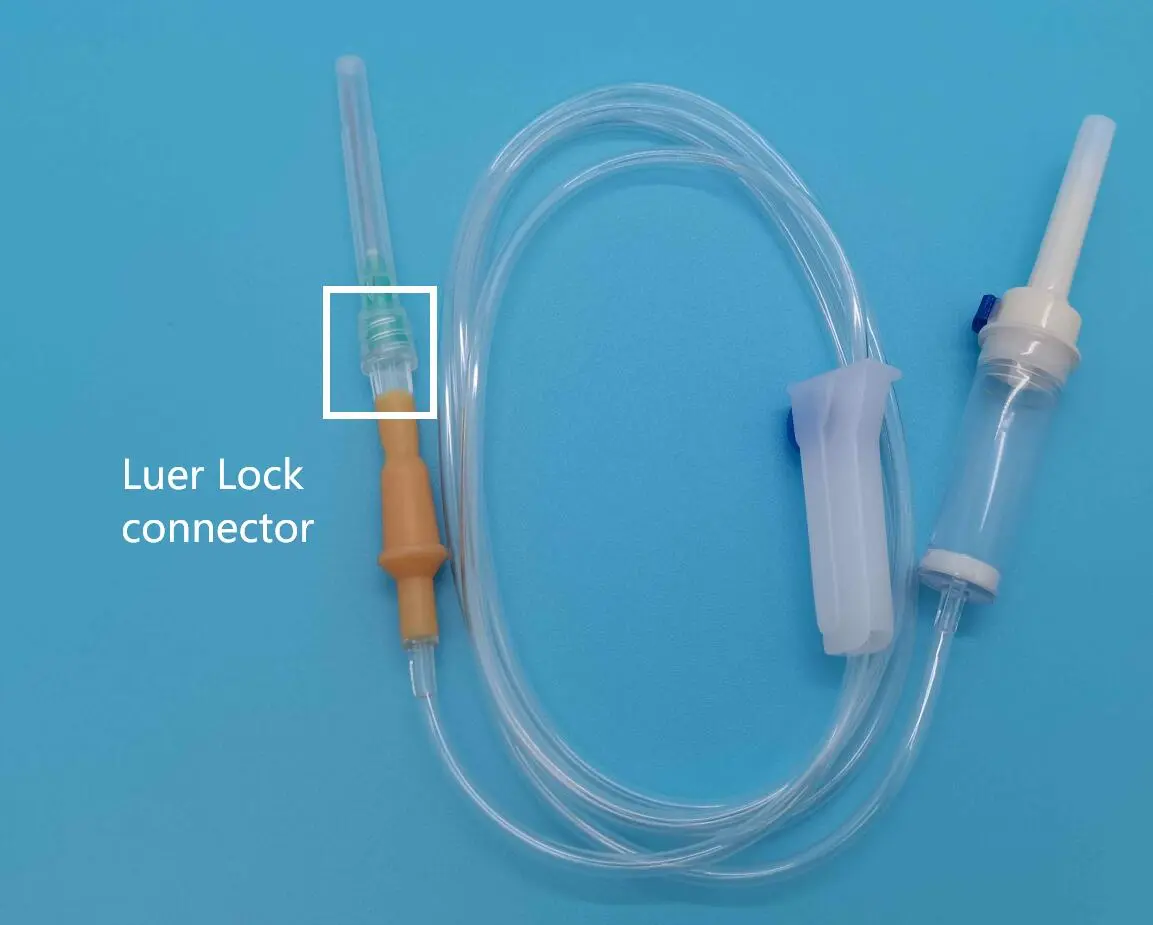
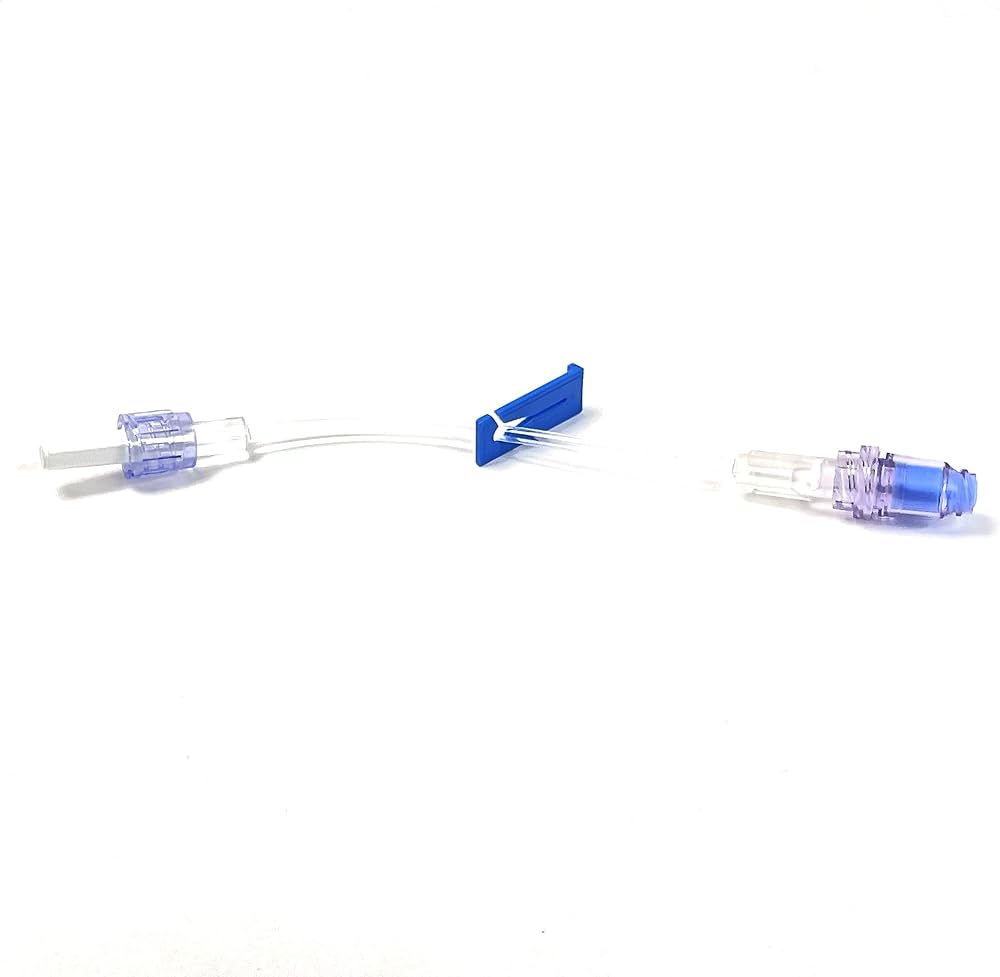
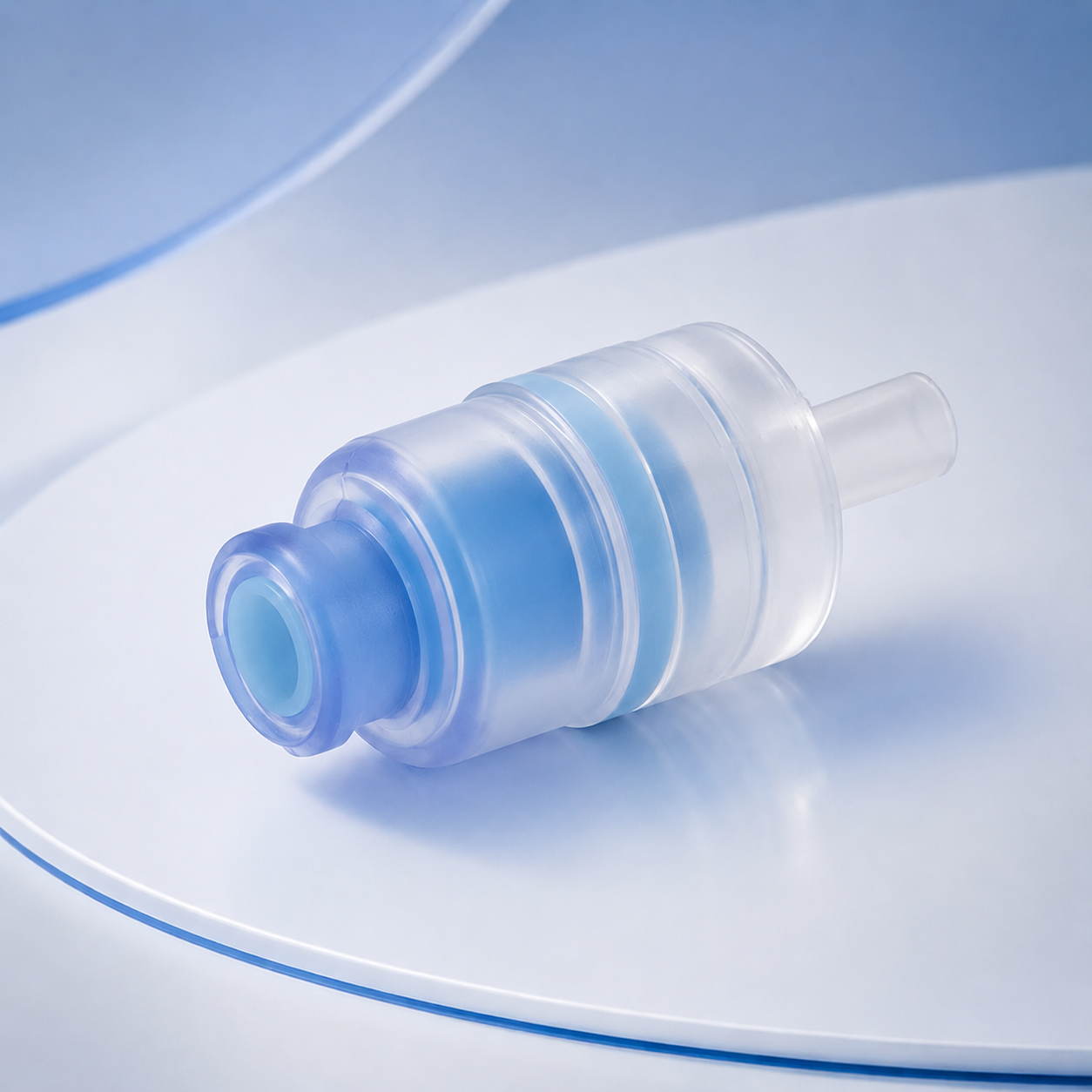
The customer was experiencing increased production demand and needed a more scalable way to assemble a 3-piece Luer lock injection site adapter.
While the customer was not dealing with slow production, inconsistent quality, or specific ergonomic issues, the broader challenge was capacity. Continued growth made it important to reduce manual assembly and support a larger push toward automation within the plant.
The application also involved complex medical-grade components that created a high-risk feeding challenge. These parts needed to be handled, oriented, and delivered accurately into the assembly process. For life sciences applications, feeding is not just a support function. It directly affects machine performance, assembly consistency, and the ability to maintain reliable production.
Why feeding matters in medical device automation: Complex medical-grade components can be difficult to orient and transfer consistently. A reliable feeding strategy helps protect production flow, reduce disruptions, and support repeatable assembly performance.
The Haumiller Solution
Haumiller developed a continuous motion injection site adapter assembly system for the customer’s 3-piece Luer lock application.
The system was designed to support precision assembly while reducing the customer’s reliance on manual labor. Vision inspection was incorporated to verify critical aspects of the process, helping ensure parts were properly presented and assembled within the system.
A key focus of the project was material handling and feeding. The application involved complex medical-grade parts that presented higher feeding risk, so Haumiller engineered feeding improvements over the previous-generation machine. These improvements helped support a more reliable automated process for a component that required careful handling and consistent orientation.
Engineering Around Complex Medical-Grade Part Feeding
For this project, the feeding system was one of the most important engineering considerations.
Medical-grade components often present unique handling challenges because of their size, geometry, material properties, or orientation requirements. If these parts are not fed consistently, the entire assembly process can be affected.
Haumiller’s engineering team focused on improving the feeding approach from the previous-generation machine. The goal was to reduce feeding risk and create a more reliable process for moving complex parts into the continuous motion assembly system.
By combining improved feeding with precision assembly and vision inspection, Haumiller delivered a system built around the customer’s production goals and component requirements.
Results and Impact
The project gave the customer a stronger foundation for automated life sciences assembly.
Increased production capacity: The system supported the customer’s need to scale production as demand continued to grow within the plant.
Reduced reliance on manual assembly: By automating the 3-piece Luer lock injection site adapter assembly process, the customer was able to reduce dependence on manual labor in a high-cost, labor-constrained environment.
Improved feeding approach: Haumiller improved the feeding strategy compared to the previous-generation machine, helping address one of the highest-risk areas of the application.
Precision assembly with vision inspection: The system incorporated precision assembly and vision inspection to support consistent part handling and process verification.
Accelerated delivery: Haumiller completed the project 8 weeks ahead of schedule, helping the customer move closer to expanded production capacity sooner than expected.
Long-Term Value
This project reflects Haumiller’s ability to support life sciences manufacturers with custom automation that addresses more than one production challenge at a time.
For this customer, the need was not just a faster machine. The real value was in creating a reliable automated assembly process that reduced manual labor, handled complex medical-grade components, improved upon previous feeding challenges, and supported continued growth within the plant.
By delivering the system 8 weeks ahead of schedule, Haumiller also helped the customer accelerate their path toward increased production capacity.
Need to automate a complex medical device or life sciences assembly process? Haumiller designs custom automation systems built around precision, part handling, and real production requirements. Contact our team to discuss your next application.
.avif)
.png)