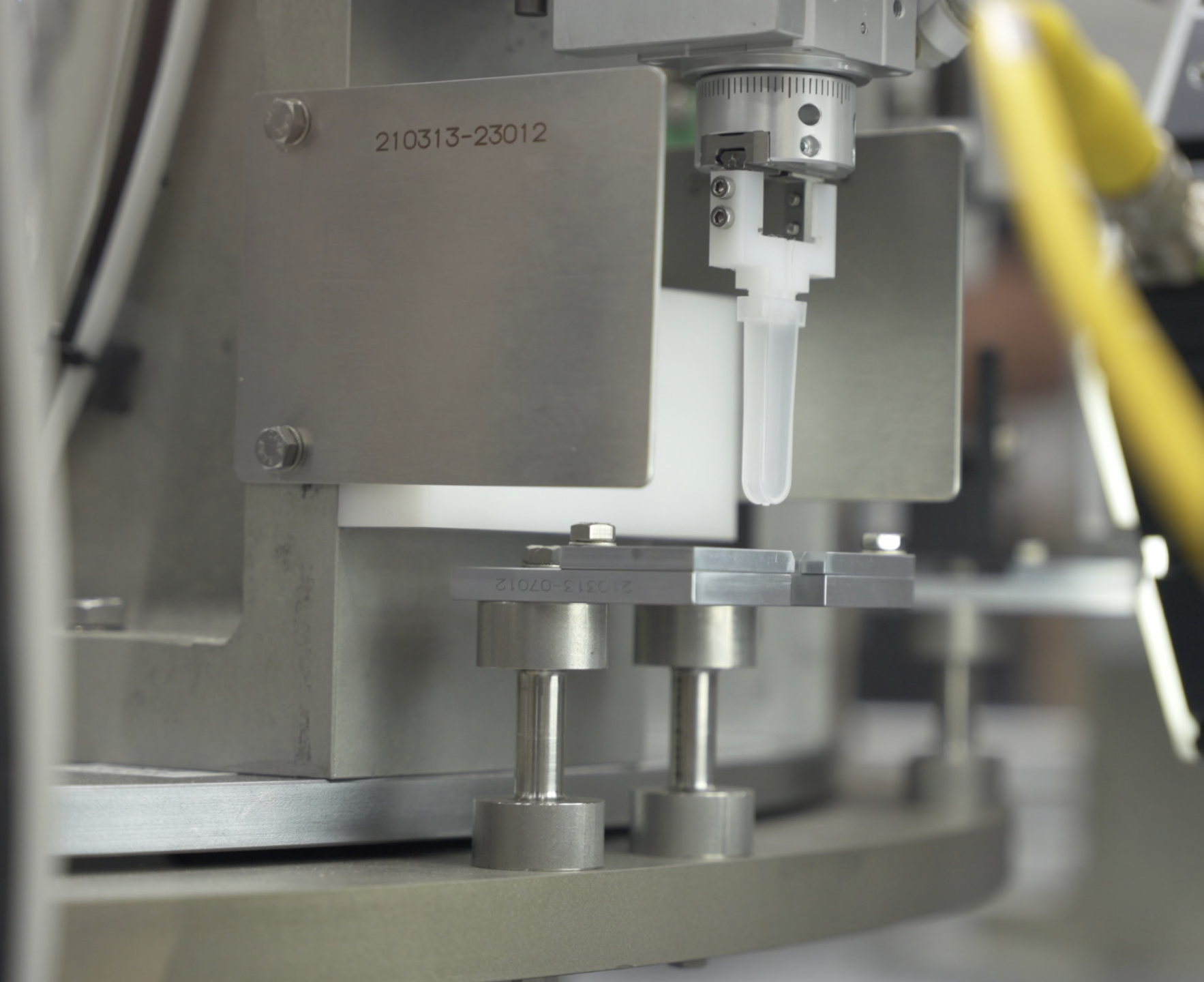
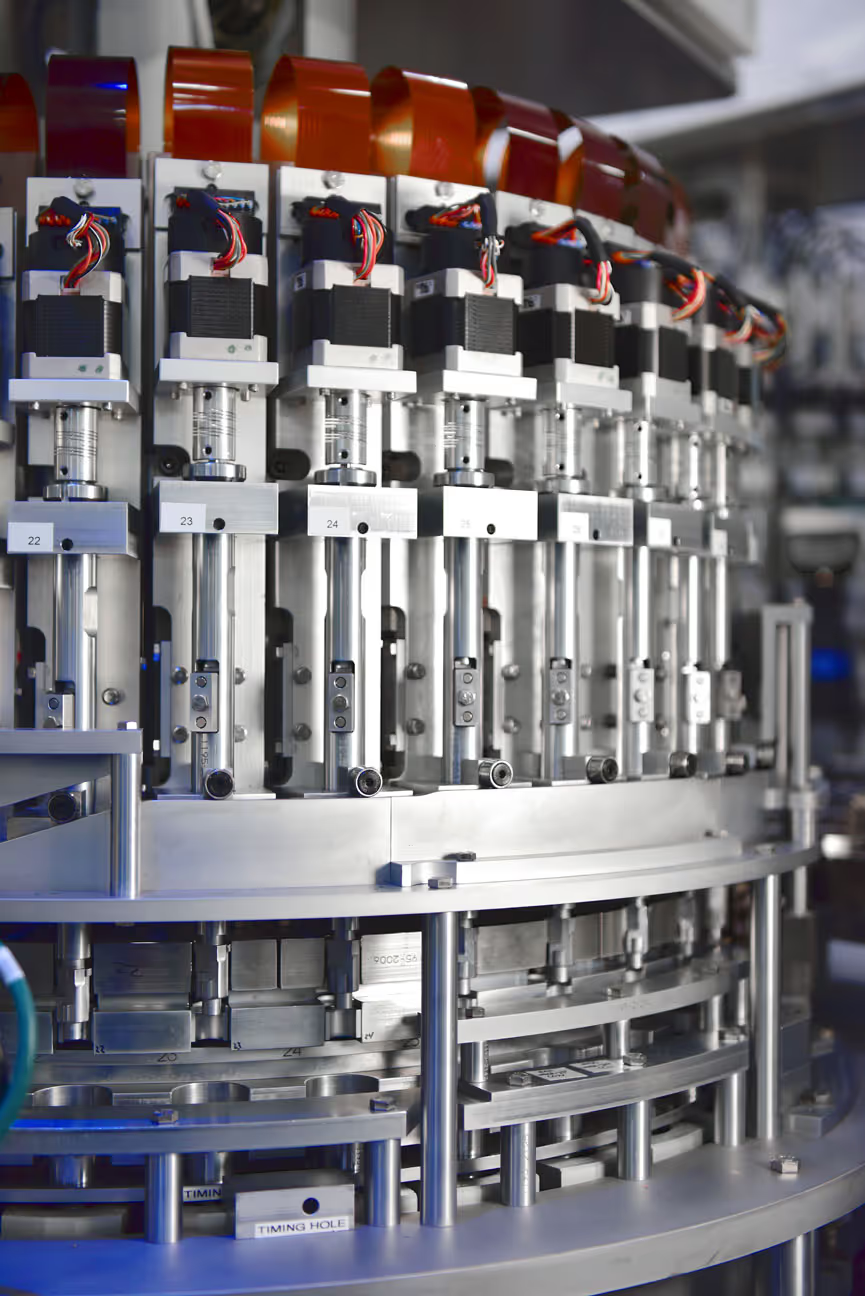
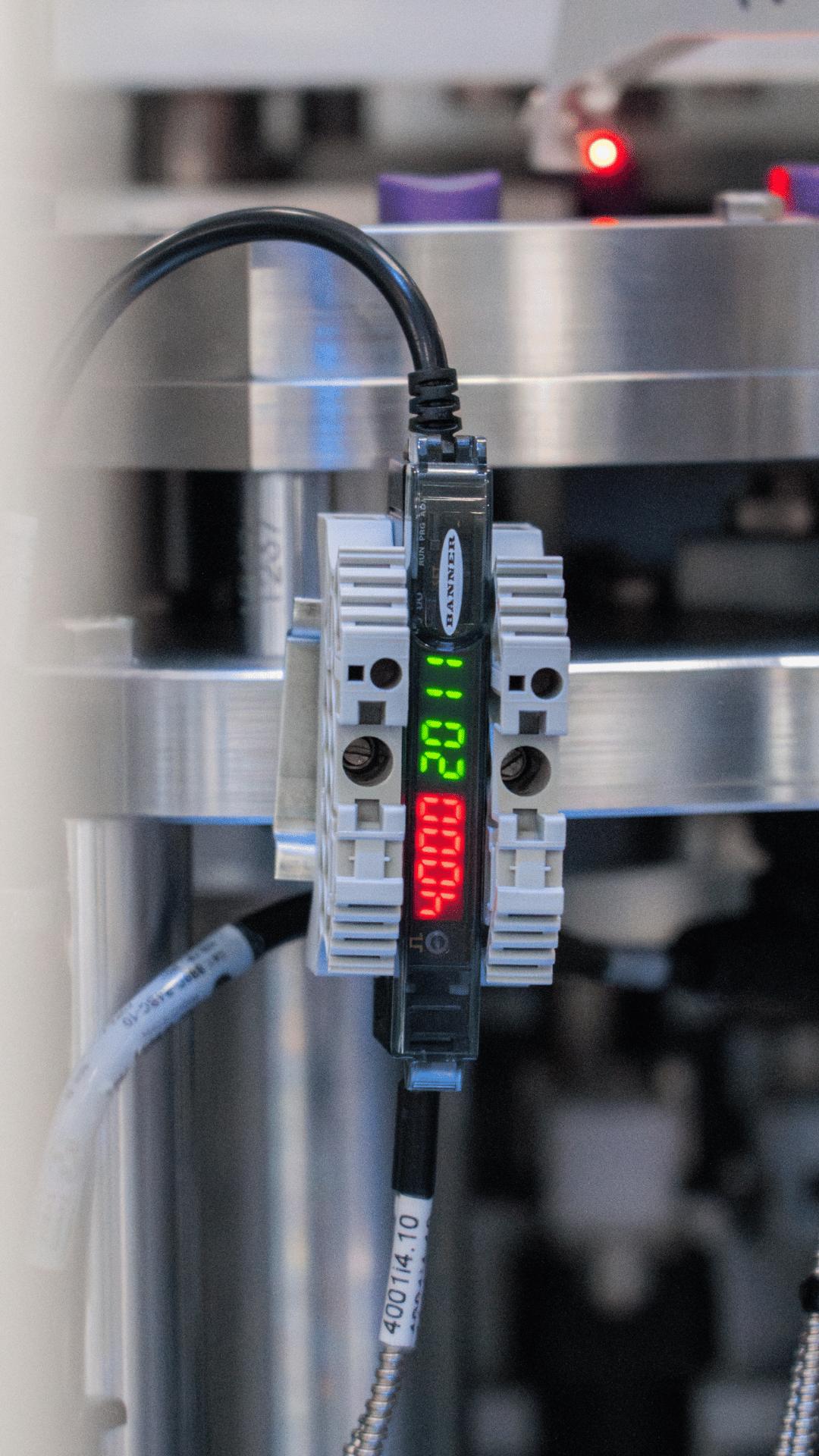
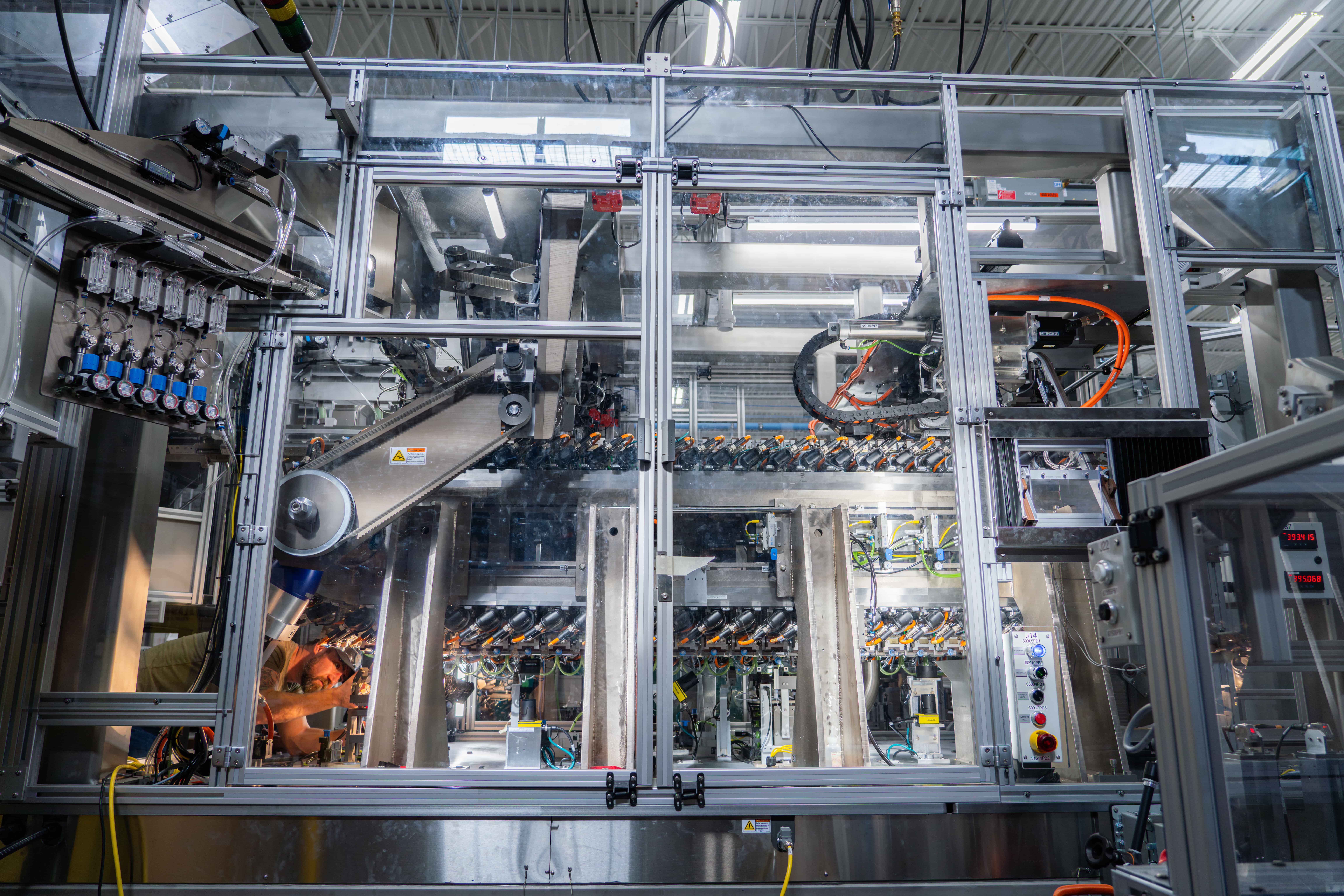
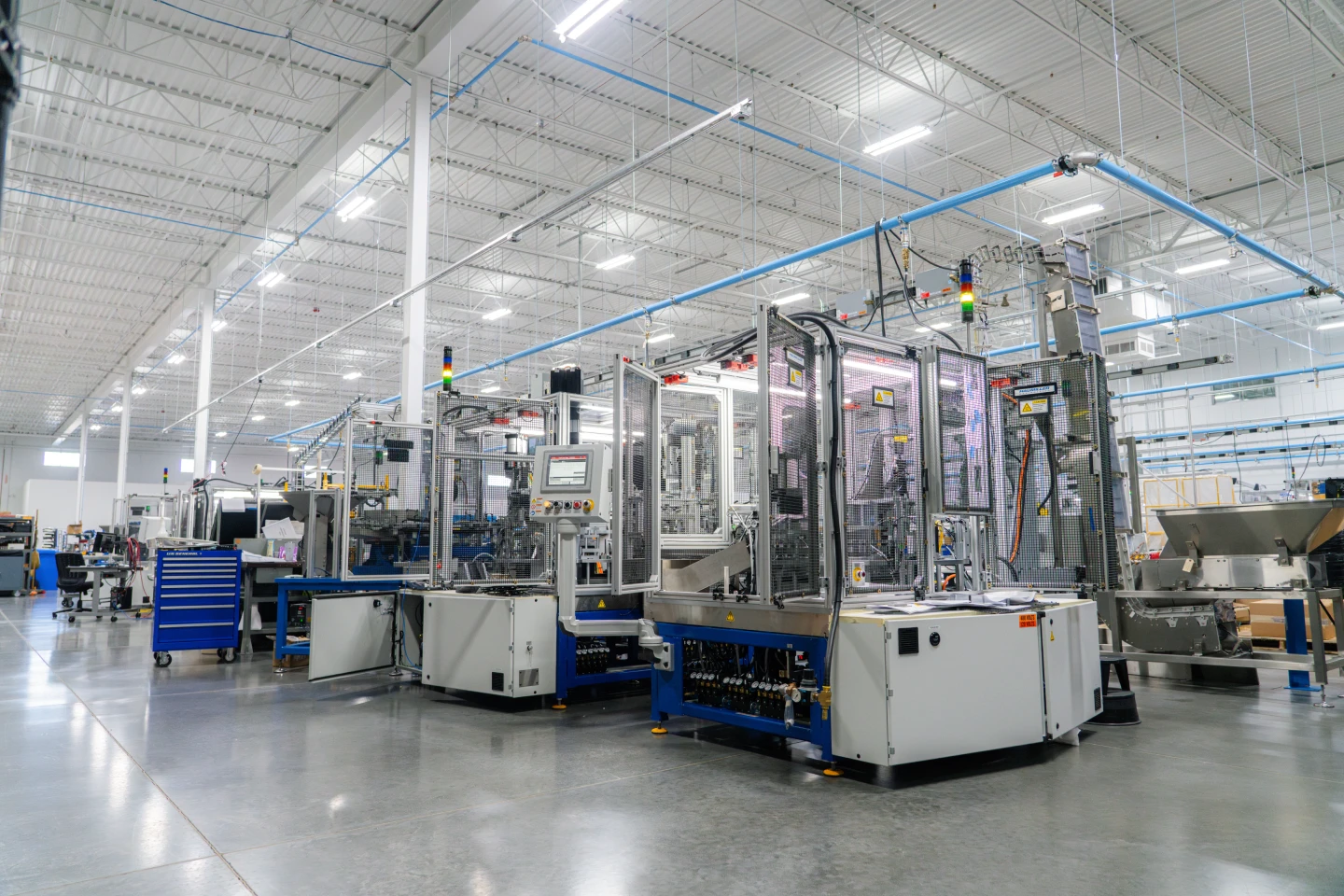
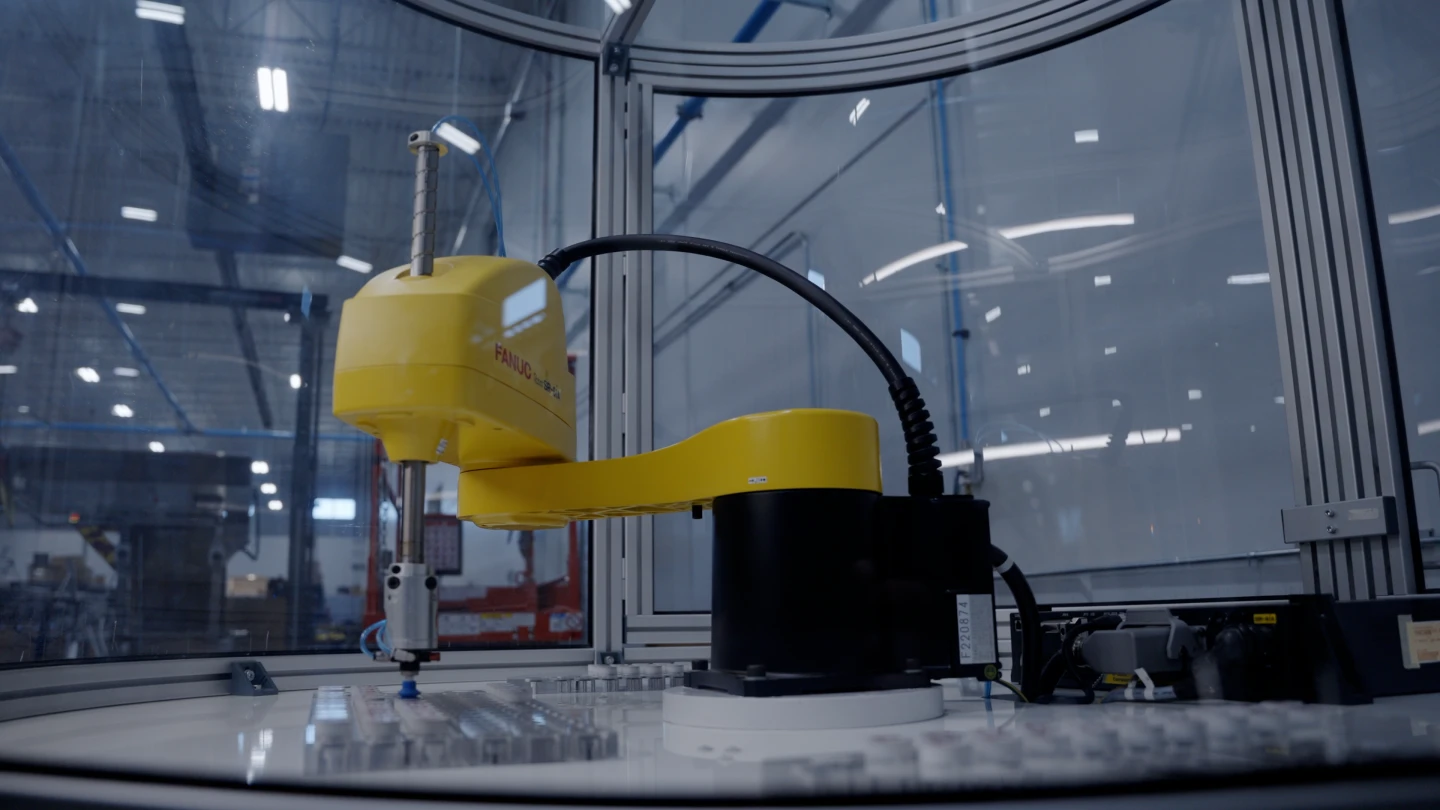
Controls is the foundation of machine performance.
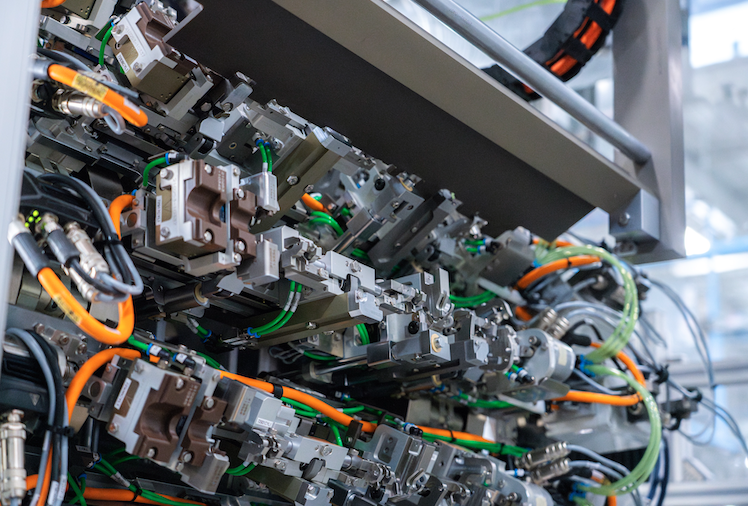
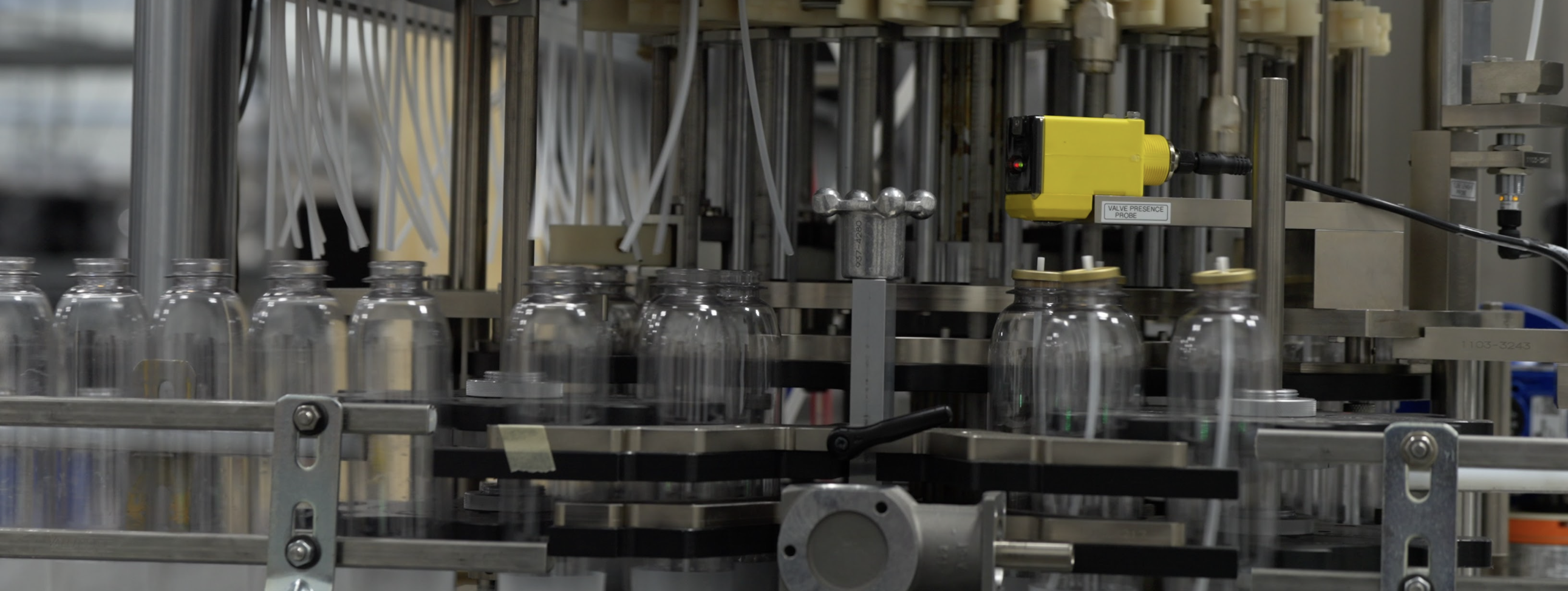
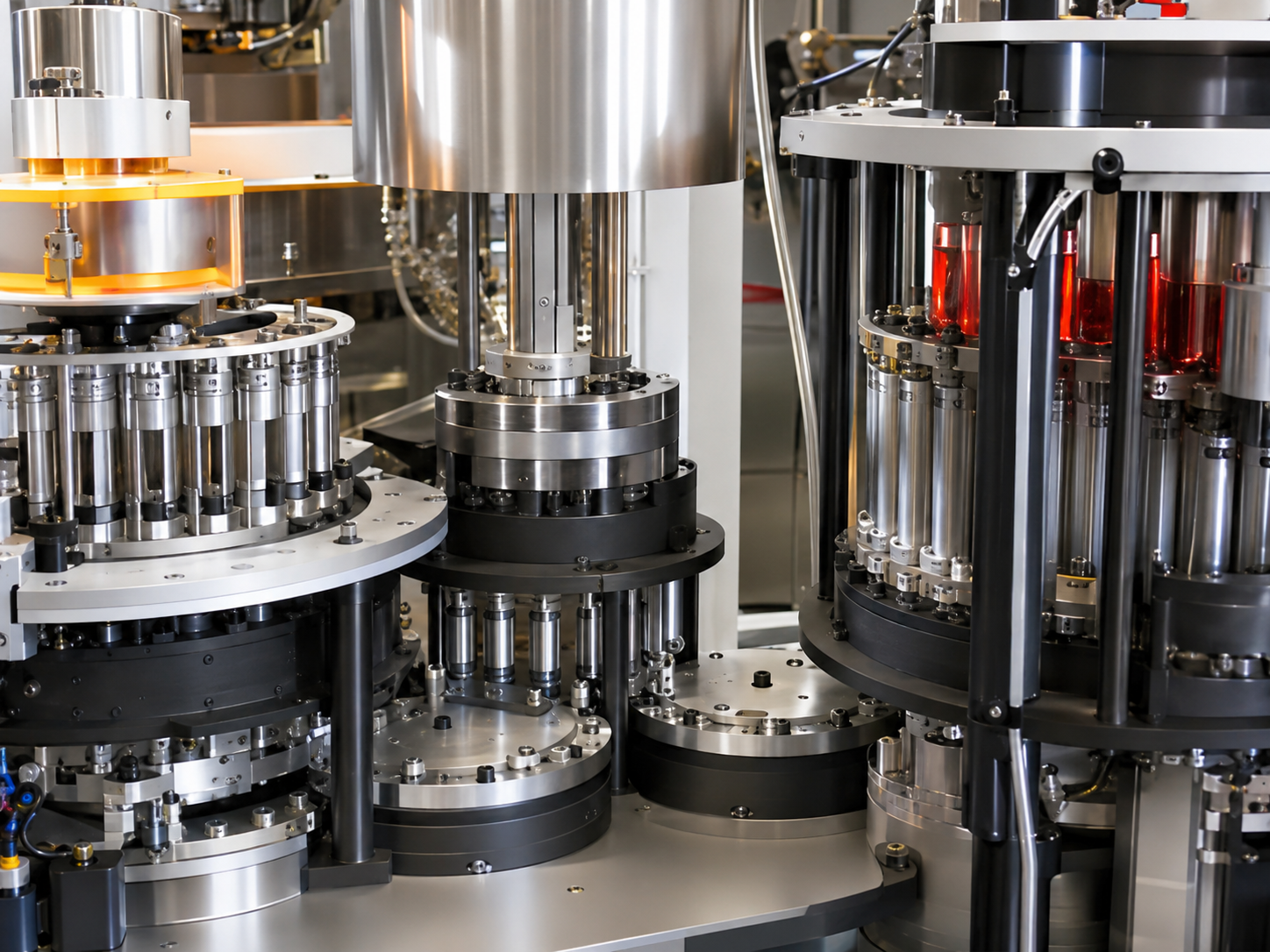
In automated assembly systems, controls determine how well that machine performs. Motion, robotics, inspection, and material handling must be precisely synchronized to achieve required throughput, repeatability, and uptime. Controls are developed alongside mechanical design, not added after, ensuring the system functions are one coordinated platform.
A system may look good in concept, but if it does not align with the manufacturer& product requirements; floor space, budget, quality standards, operator needs, or upstream and downstream equipment, it can create delays, inefficiencies, and unnecessary risk.
Controls help manufacturers address challenges like:

-
-
-
-
-
Controls engineering begins with the full system requirements. Throughput targets, motion profiles, inspection, process dependencies are evaluated to define the control architecture.
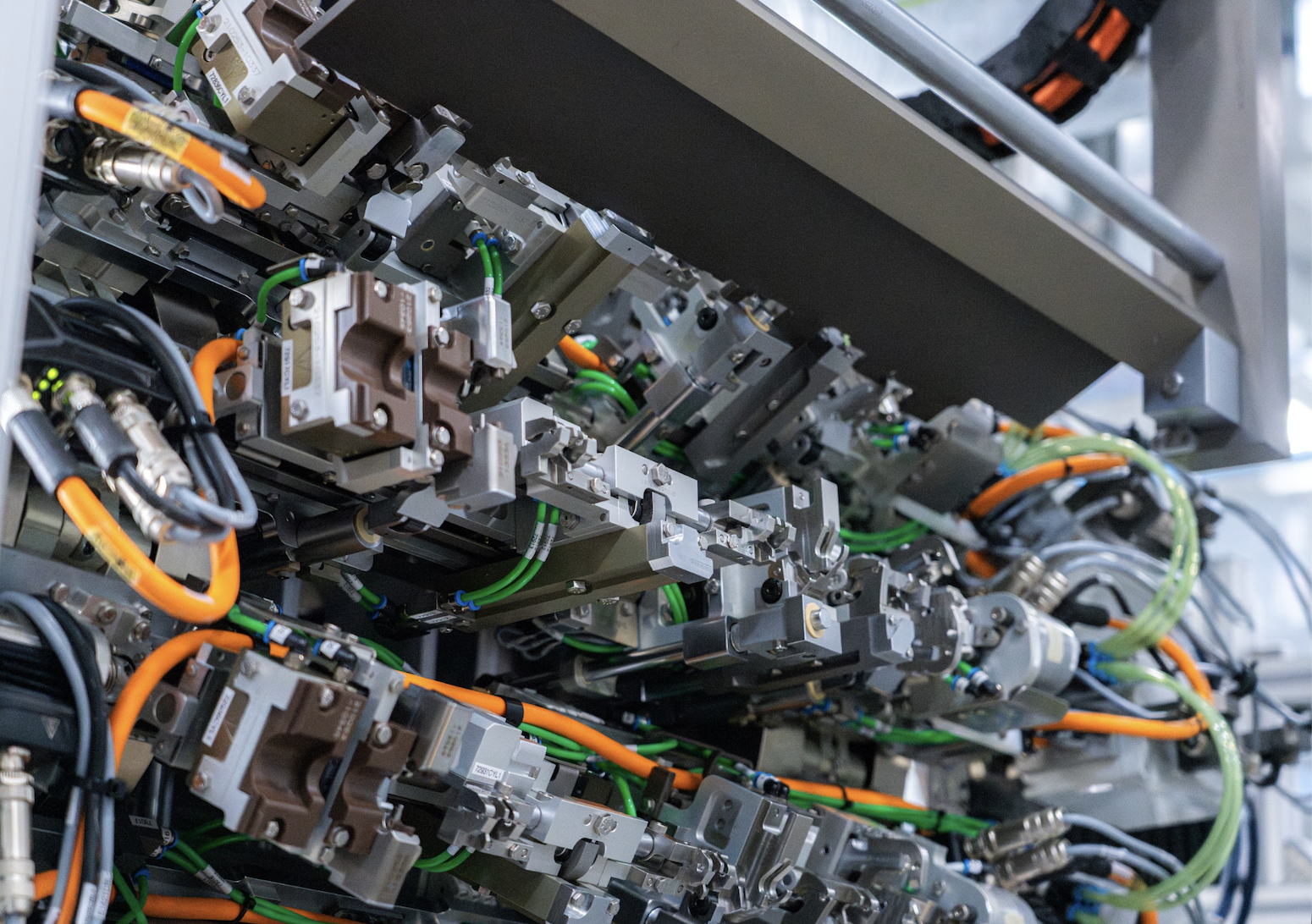
Development happens in parallel with mechanical design, ensuring alignment between hardware and software. This approach reduced integration risk and improves overall machine performance at launch.
.webp)

.webp)
%20(1).webp)


.avif)
Talk with Haumiller about your requirements, challenges, and long-term production goals.